Products that live on the street can't hide behind a screen.
Ridee's battery-swap car sharing, Super73's cult e-bikes, DOA's category of its own, Beefull's community charging: mobility products meet the real world every day. We design for that meeting.
The street is the harshest usability lab there is
Mobility products don't fail in the demo; they fail in the rain, at night, at 4% battery. We design for the moment the screen meets the pavement.
Hardware is half the product
Ridee runs on XEV Yoyo micro cars with swappable batteries: the app has to know what the vehicle knows — range, swap stations, the state of a battery you've never seen. We design the digital half so the physical half makes sense.
That's a different craft from app design: the interface answers for a machine standing on the street.
Culture rides along
Super73 owners don't buy transport; they join something. The Crew app turned that feeling into software: rides, votes, a learning engine and a quiet guardian for the everyday jobs.
Retention in mobility isn't a push notification. It's belonging.
New categories need first products
DOA had no competitor to copy: a first-of-its-kind product that created its own category. We researched, named the behaviour and shipped iOS & Android in six months.
When there's no map, research is the map.
The receipts
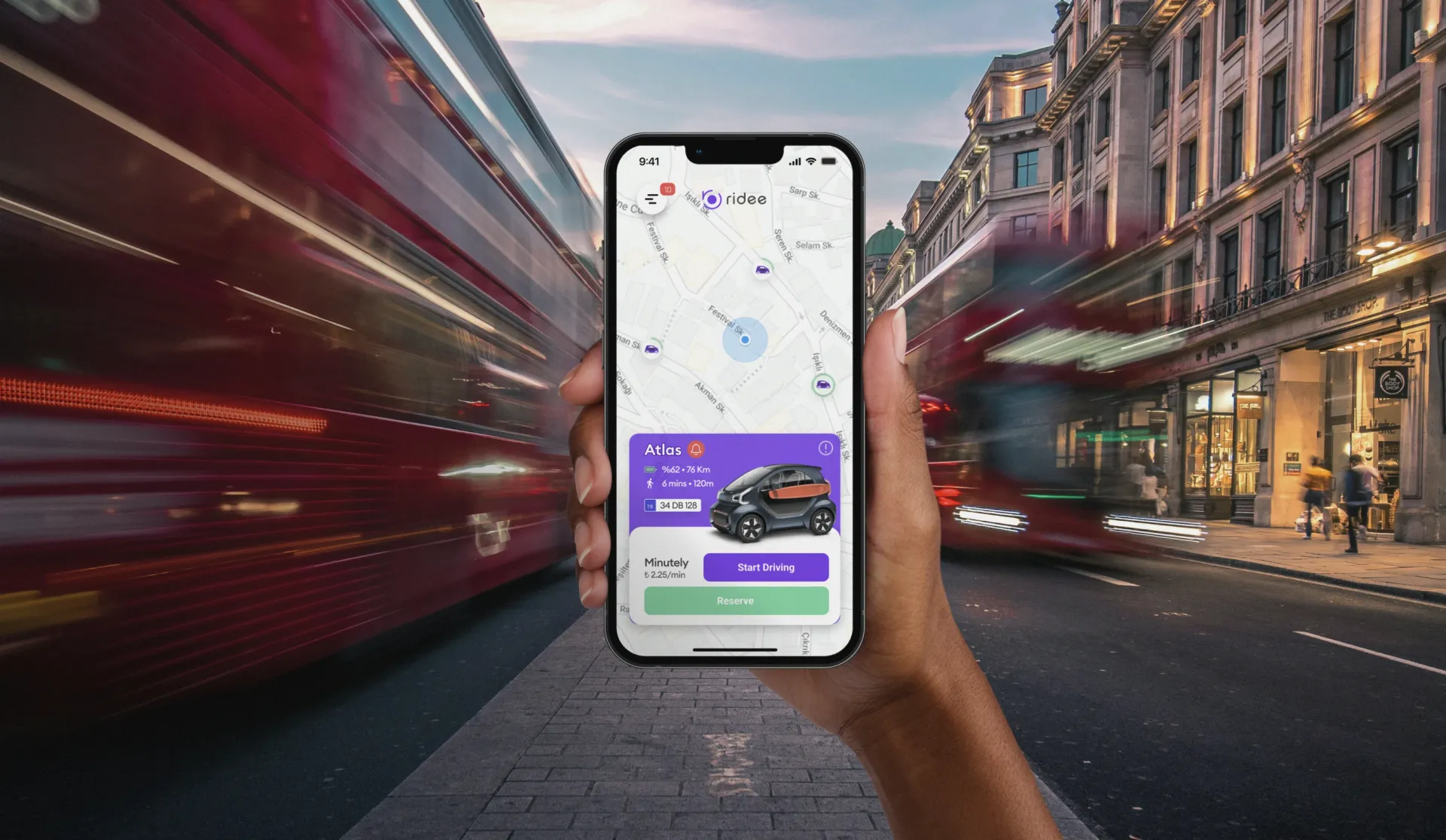
battery-swap electric car sharing, end to end
Open the case →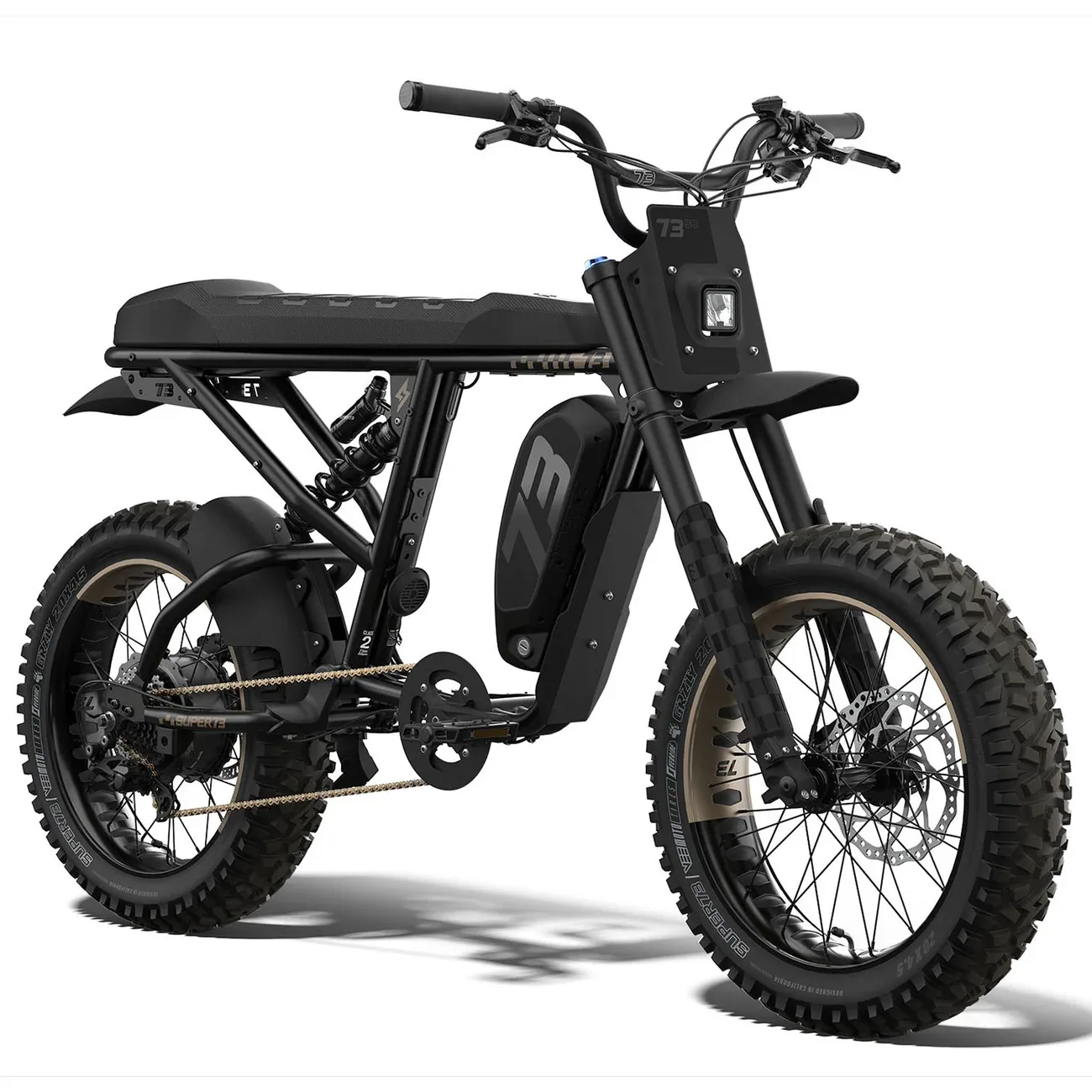
a cult e-bike's software: rides, crews, a quiet guardian
Open the case →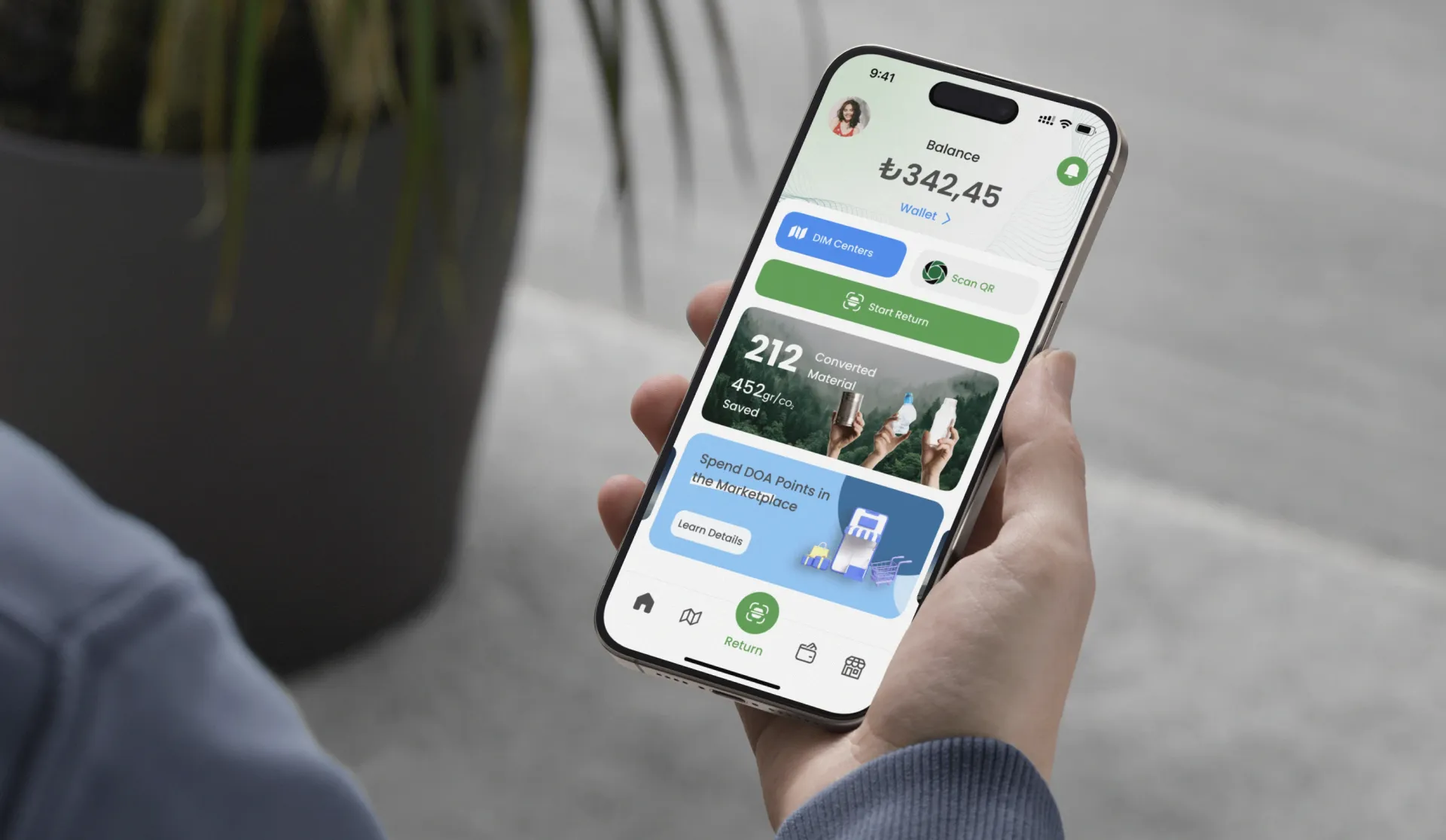
a first-of-its-kind product, live in six months
Open the case →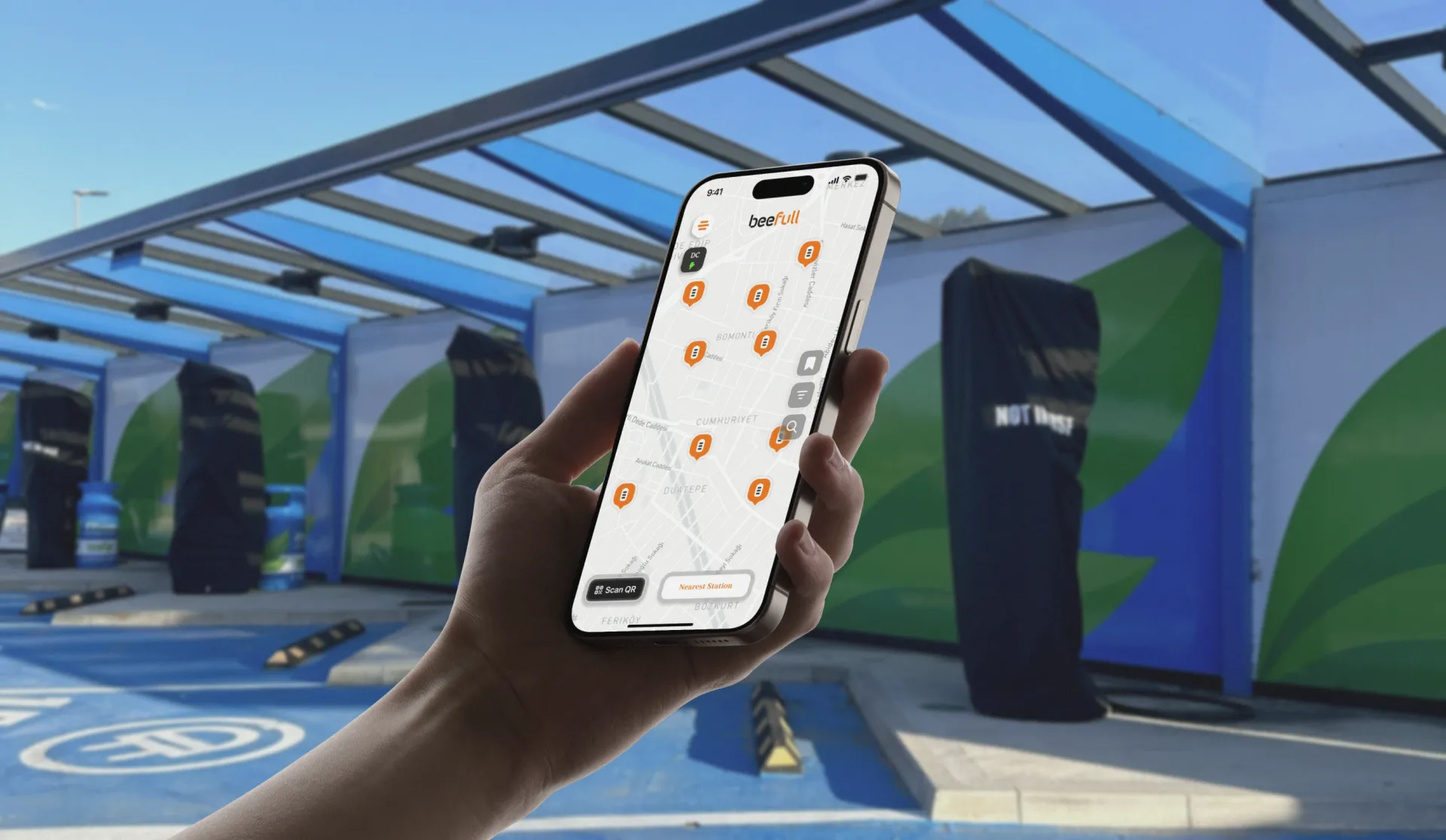
community-driven EV charging: 150+ screens
Open the case →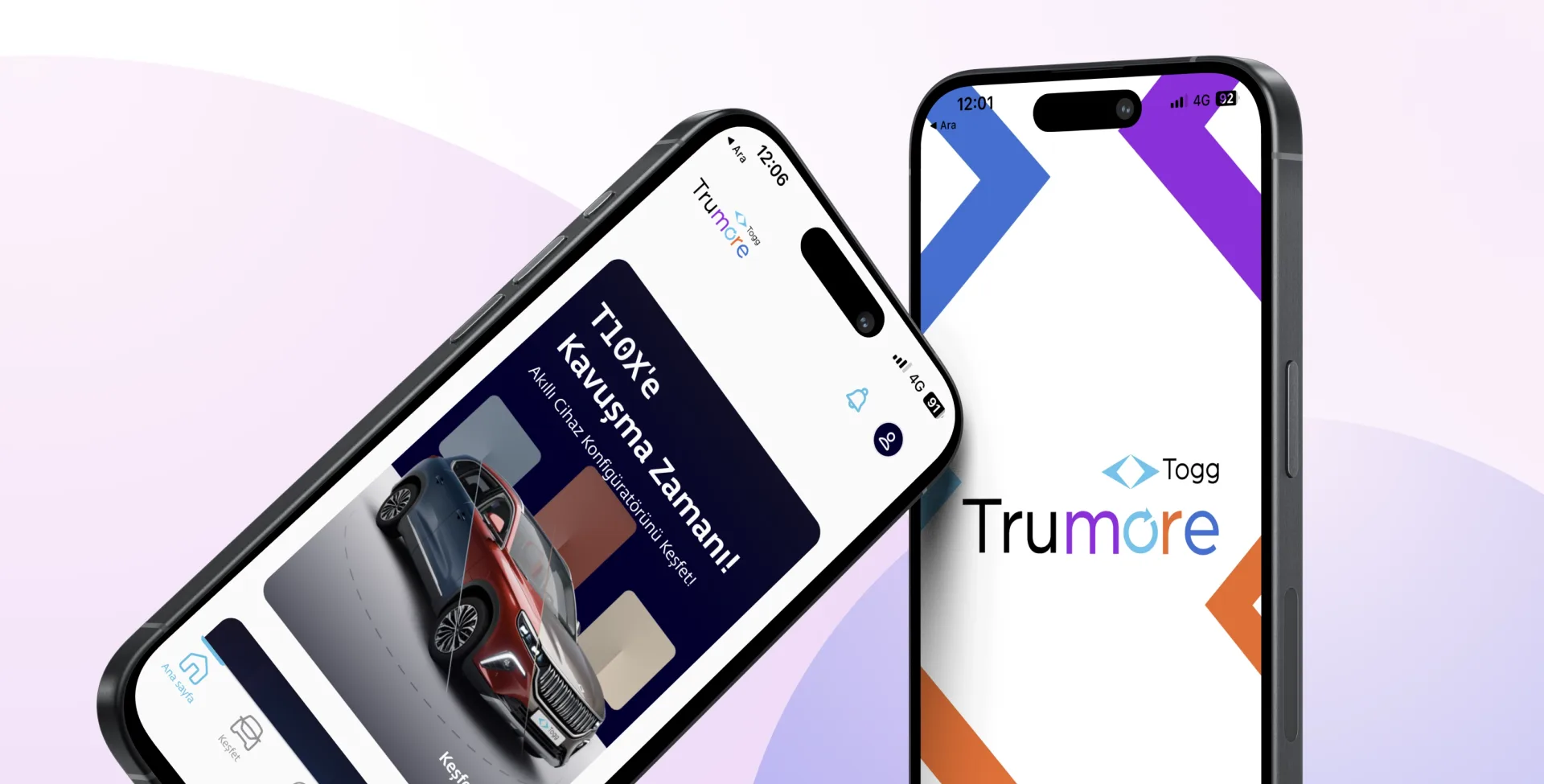
Togg's super app under the PX-RAY: 200+ screens scanned
Open the case →Questions we actually get
What kinds of mobility products do you work on?+
Ride and micromobility apps (Ridee, BinBin), e-bike communities (Super73 Crew), deposit-return logistics (DOA) and the mobility side of energy apps like Trumore.
Can you design for hardware-connected experiences?+
Yes — vehicles, docks, kiosks and phones in one flow; we've shipped products where the screen talks to something on the street.
Do you build the apps or only design them?+
Both. We're a design-led studio with AI-native engineering: native mobile, web and the backend glue, launch included.
Building something that moves?
Bring the problem, not the brief. We'll show you where the street breaks your flow, and what we'd ship first.