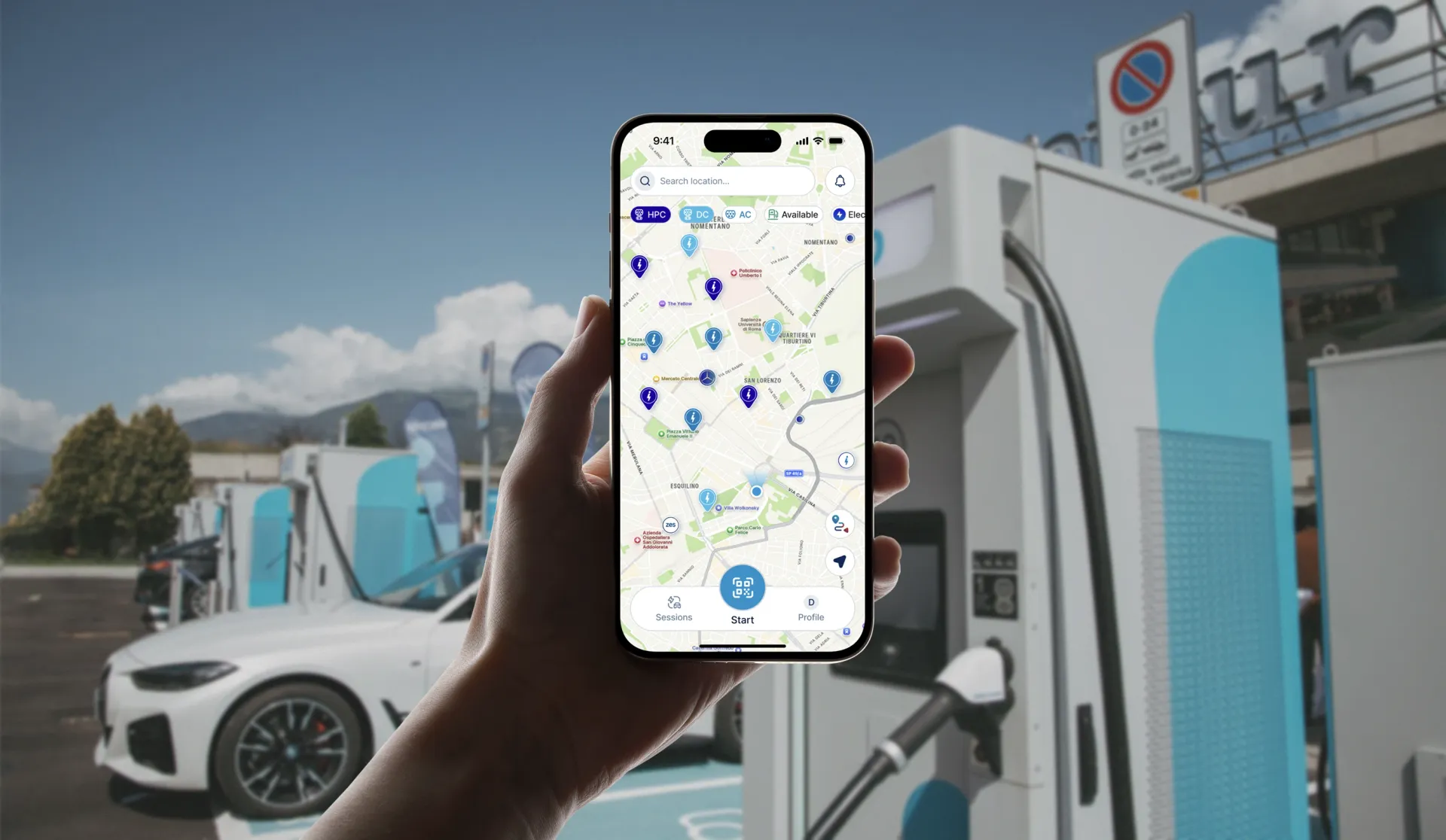
At 400 kW, nobody forgives a vague screen.
Electrip runs a fast-growing high-power charging network across Italy, Greece, France, Poland, Bulgaria, Croatia and beyond, born from a partnership between Wren House Infrastructure and Zorlu Enerji. At 400 kW a session can add real range in under 30 minutes. That speed raises the stakes: demand is higher, expectations are sharper, and errors are more costly.
Drivers in seven markets needed one app that handled planning, reservation, session monitoring and loyalty as a single coherent experience. Blurple has been designing that experience since the network's European expansion, on a retainer now in its third year.
Frictionless, from plug to unplug
The north star was frictionless charging across Europe, from the moment a driver opens the app to the moment they unplug. For high-power users that meant one hierarchy for everything: speed, clarity and confidence over feature breadth.
A multi-country product also had to feel like one product. Different driver behaviours, languages and network conditions could not be allowed to reshape the experience market by market.
Drivers who plan, not browse
Driver behaviour analysis across multiple European markets kept returning the same insight: high-power users plan more and tolerate ambiguity less. Arriving at a full 400 kW hub is not a minor inconvenience. It is a disrupted journey.
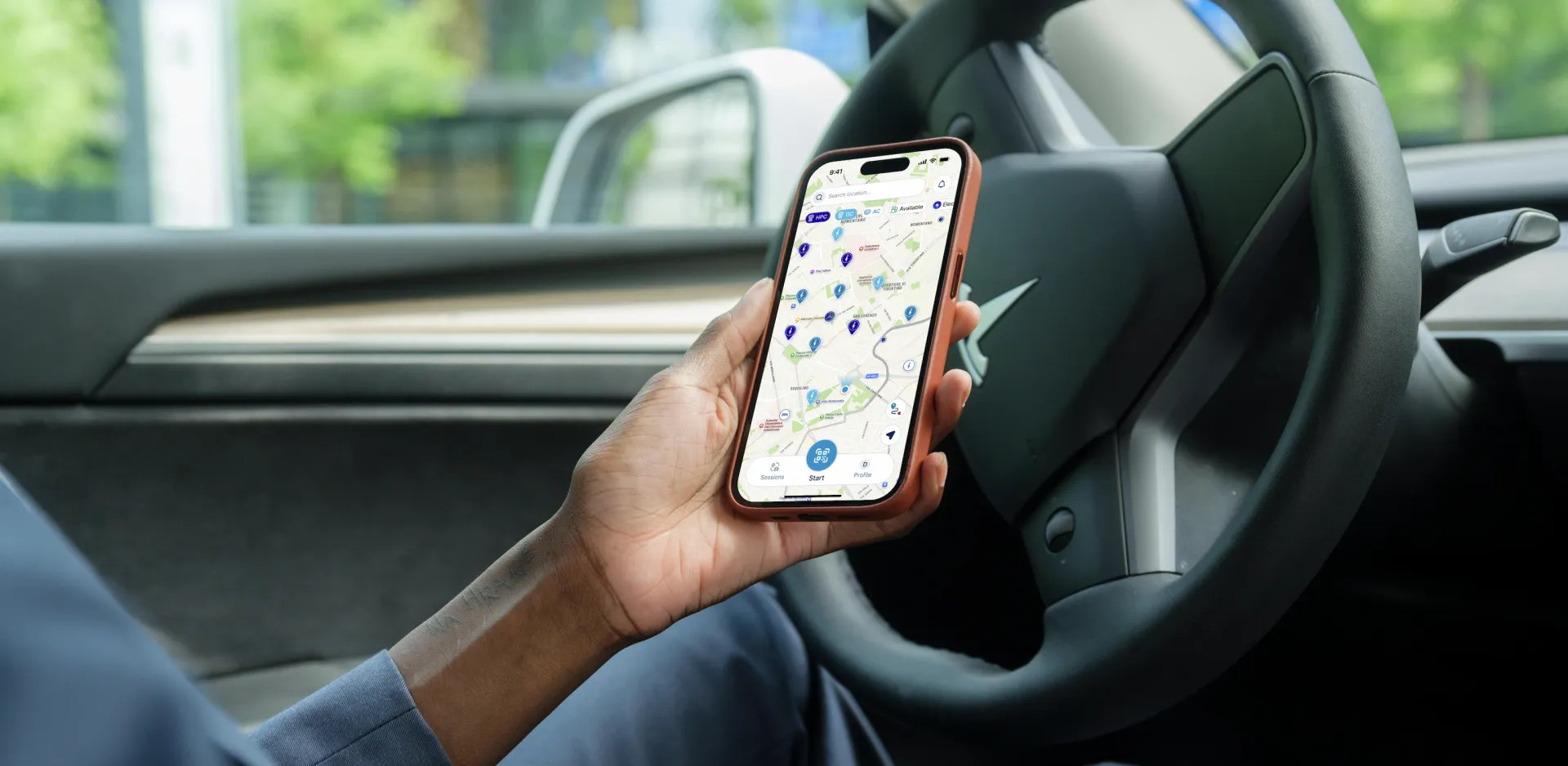 researching high-power charging behaviour across European markets
Three driver states, one system
We structured the entire app around three driver states: planning before the trip, arriving at the station, and charging in real time. Each state has its own visual language, interaction model and information hierarchy.
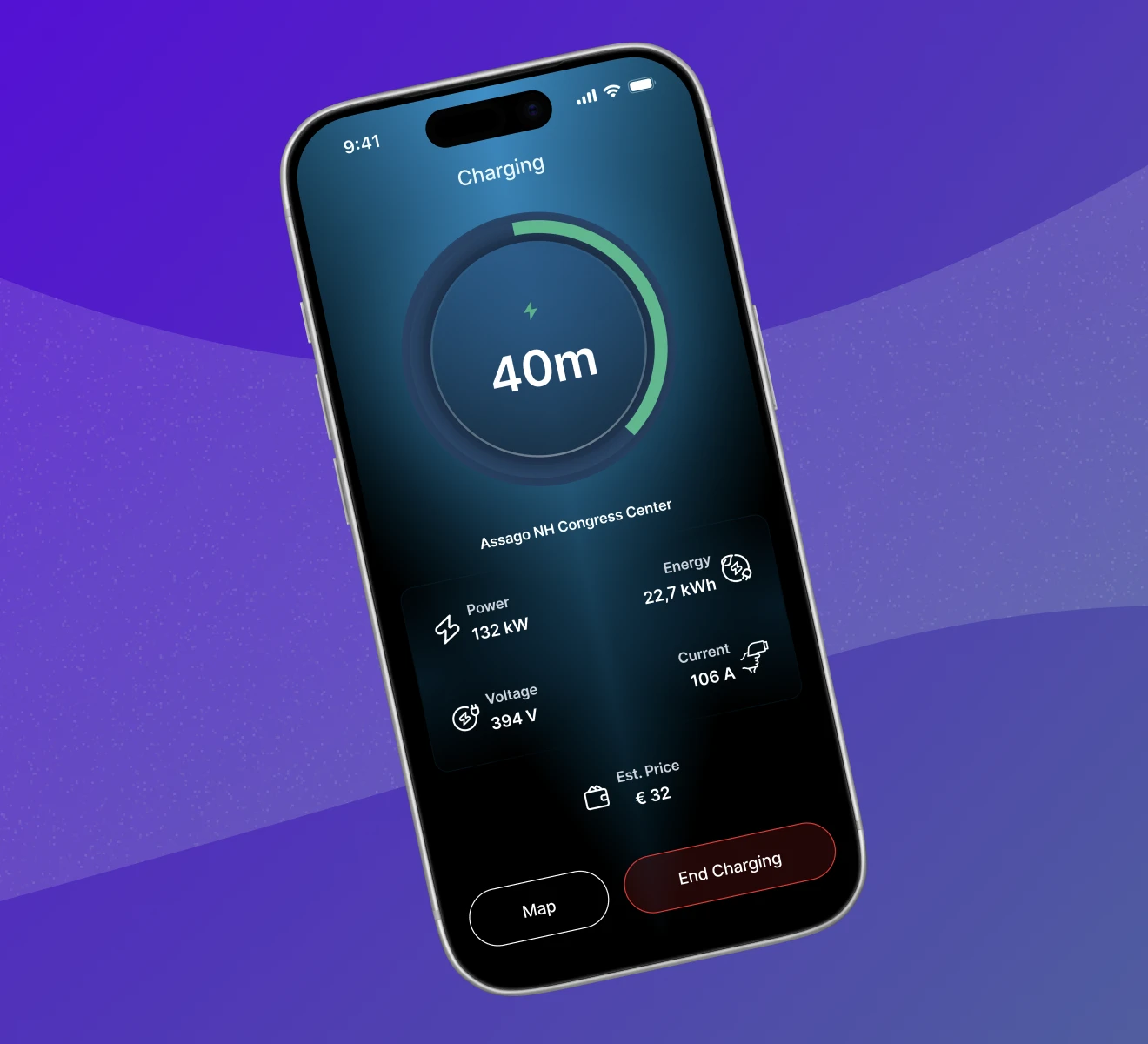
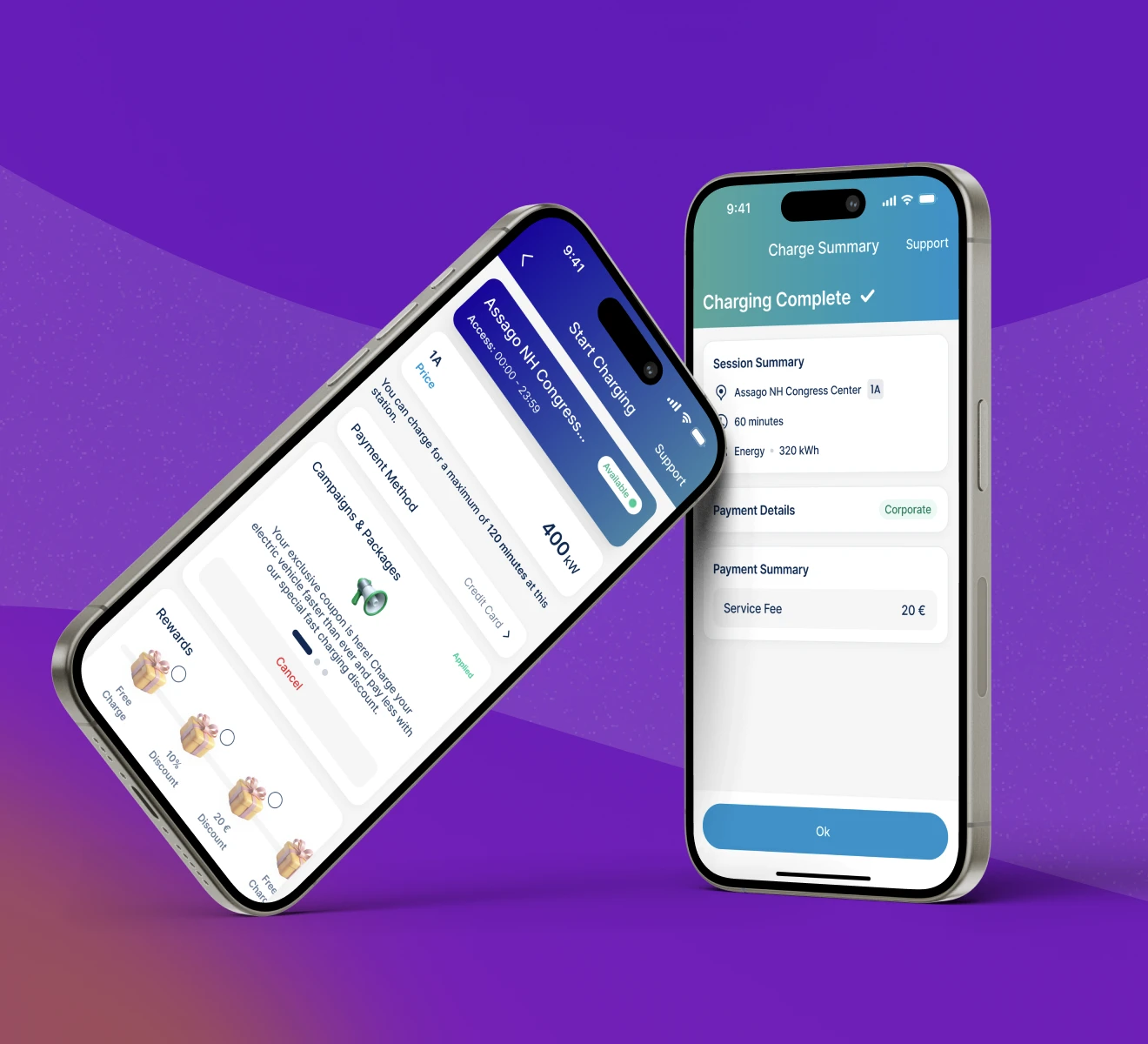
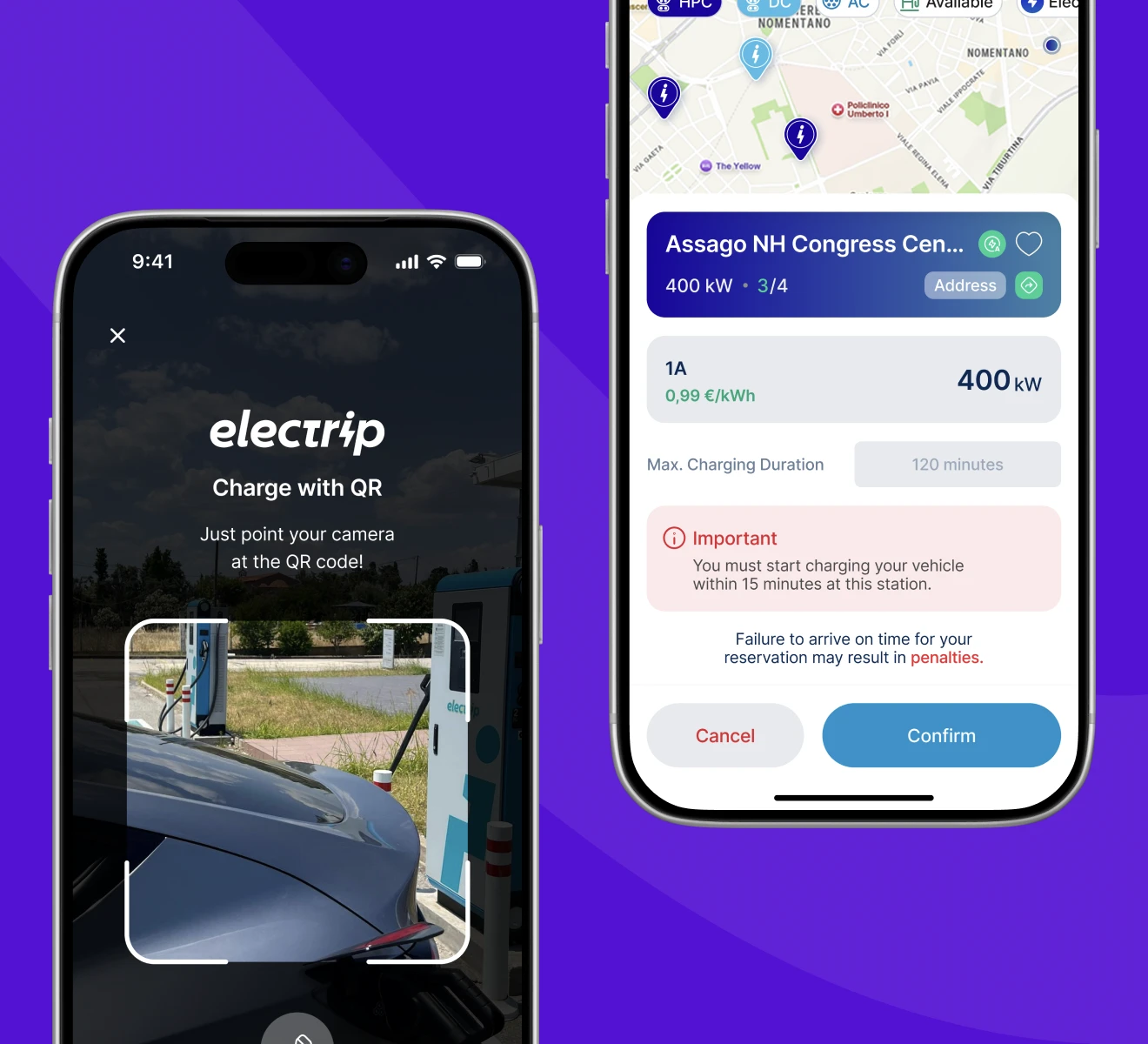
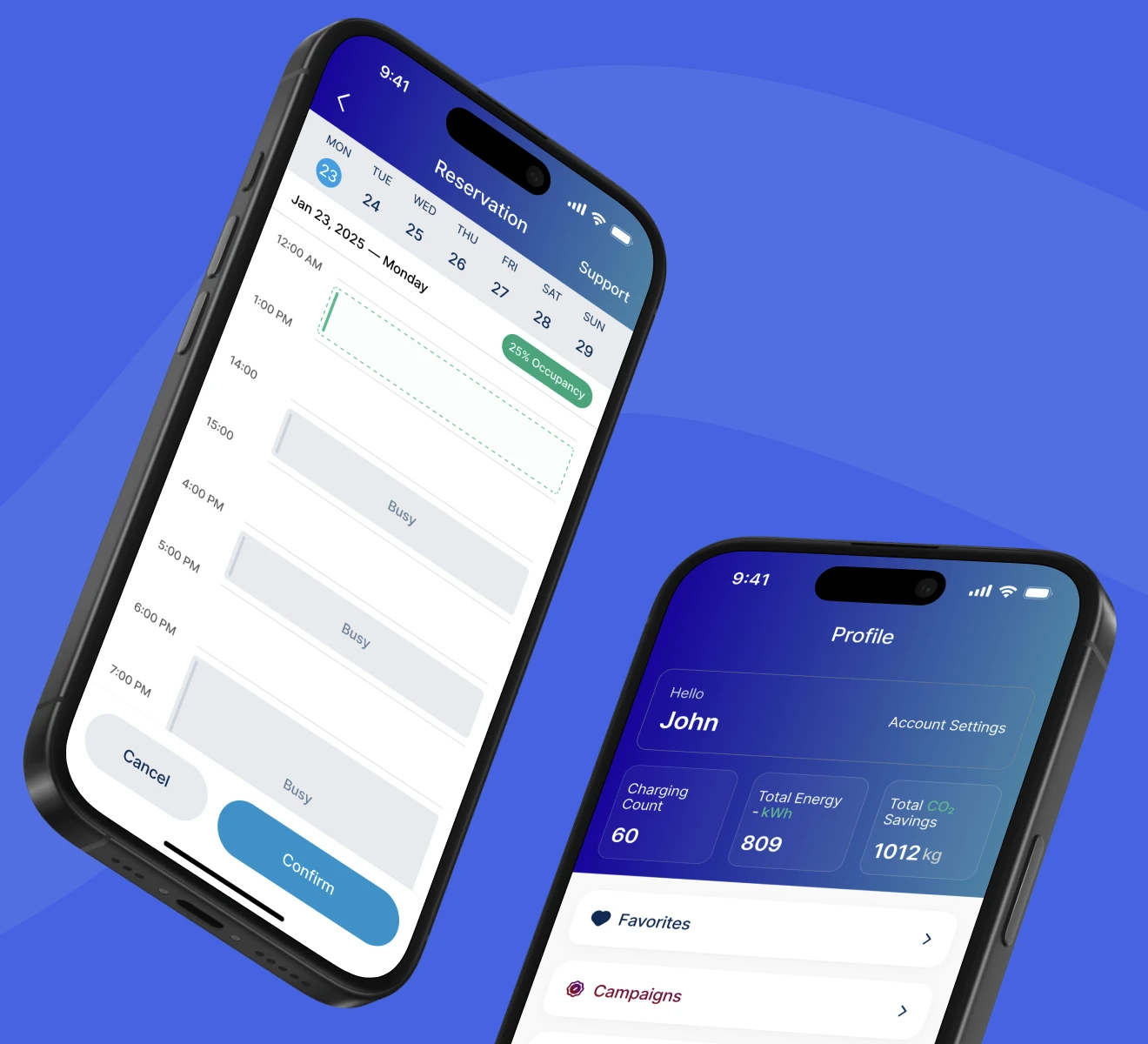
Each finding got its design answer. Planning became filter-first discovery: HPC, DC and AC filters at the top level with real-time availability, plus a time-slot reservation flow that visualises occupancy by hour. Ambiguity became a dark, in-car charging screen that narrates power output, energy delivered and running cost in real time, with QR scanning as the fastest way to start a session. Growth became a design system built to absorb new features without redrawing the experience.
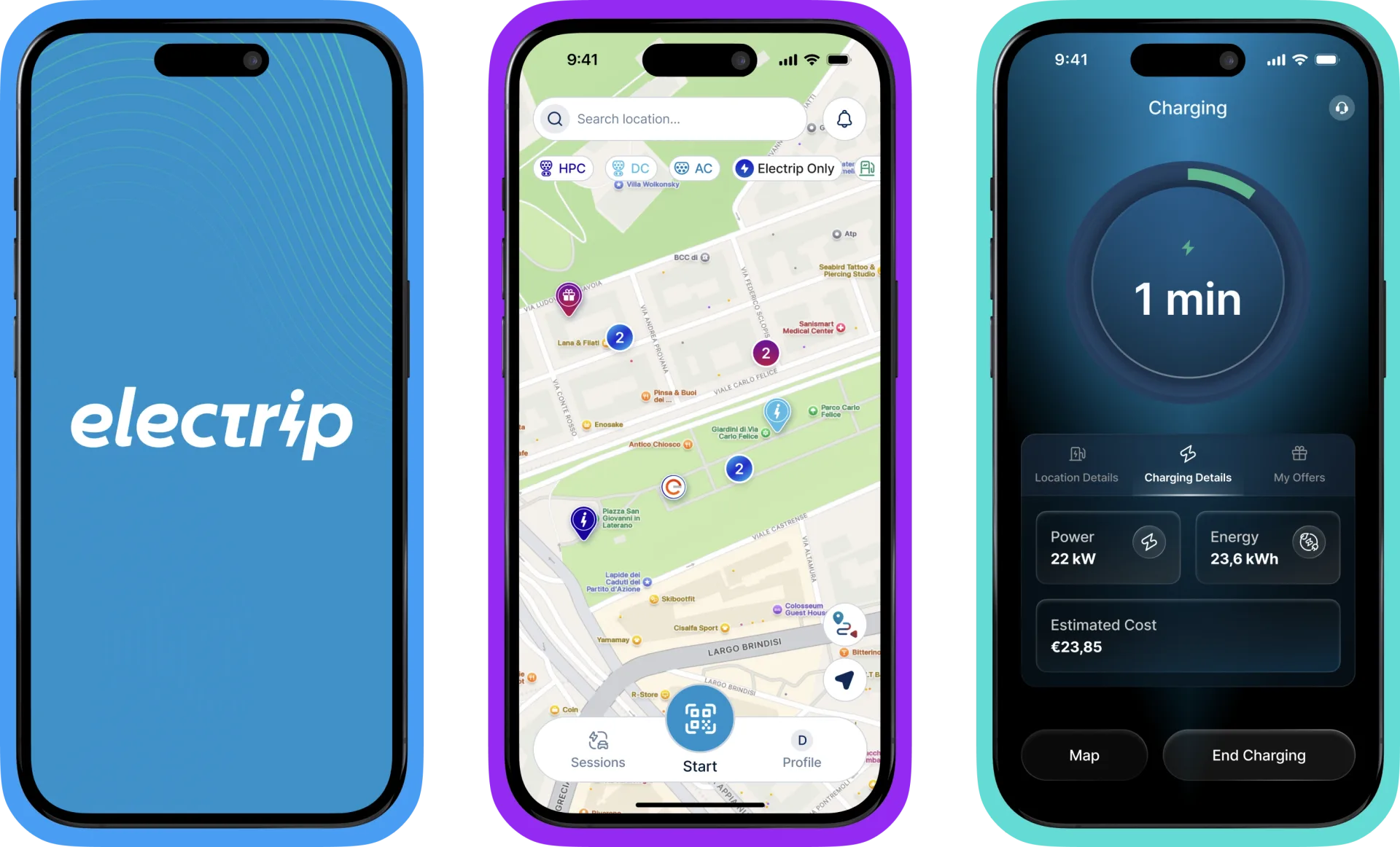 the Electrip app: filter-first discovery and live session monitoring
Iterating where trust is built
The active charging screen and the reservation flow went through the most iteration cycles. Usability testing showed that live data density needed progressive disclosure, so non-technical drivers see time and cost first while data-curious drivers can go deeper. It also showed that reservation confirmation language had to reassure, not read like a penalty clause.
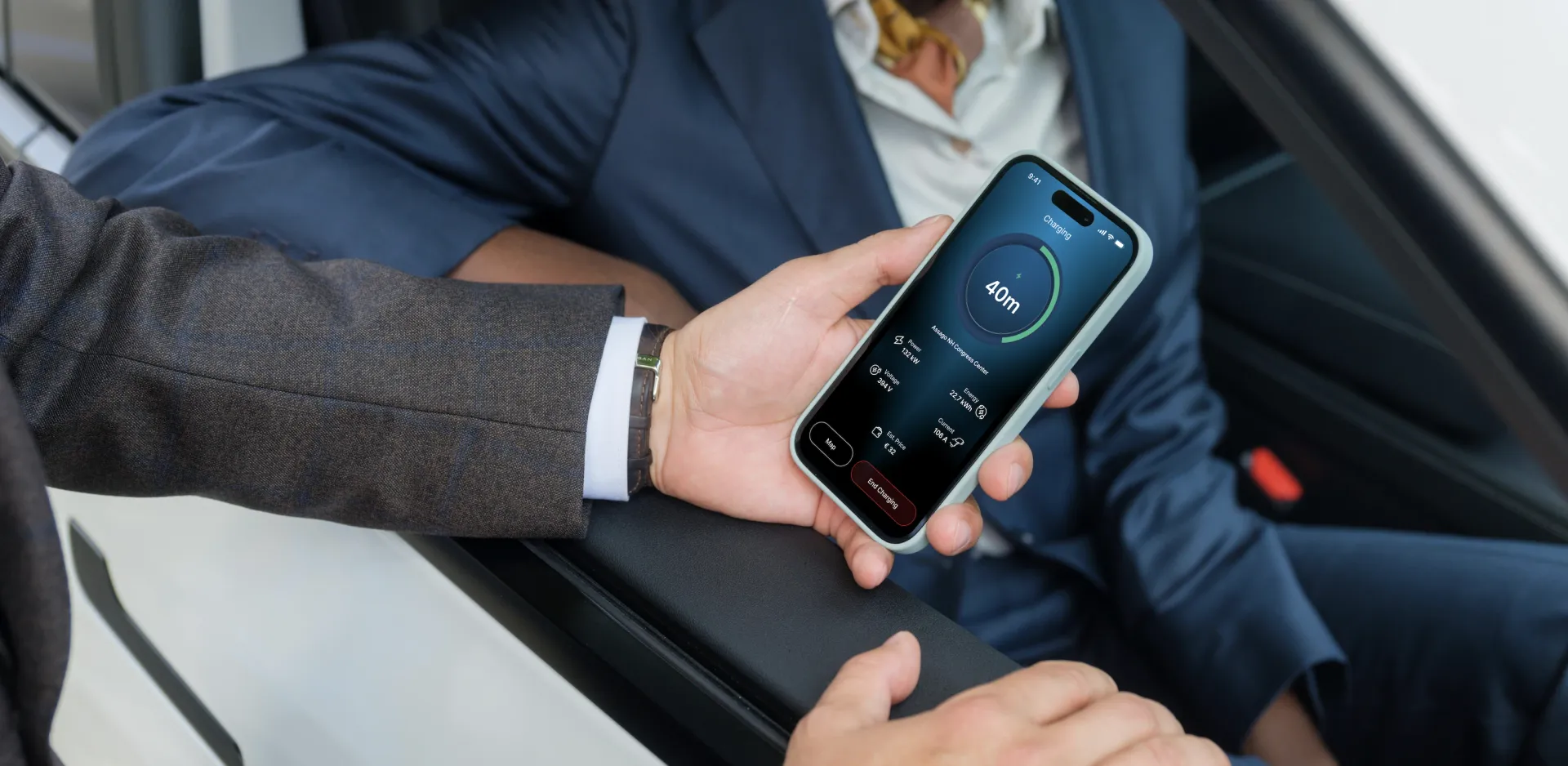 session monitoring, iterated through usability testing
Three years in, still shipping
Three years into the partnership the app has grown far beyond its launch scope while keeping one coherent feel: new markets, new charger types, new loyalty mechanics, and navigation integrations with Mercedes-Benz, BMW, Volvo and Hyundai, all absorbed into the original system architecture.
The campaigns layer turned a utility into a relationship. Promotions, coupons and loyalty rewards live in one screen, and the profile turns usage into a personal dashboard: charging count, total kWh, and CO2 saved. Reasons to open the app between sessions, not only during them.
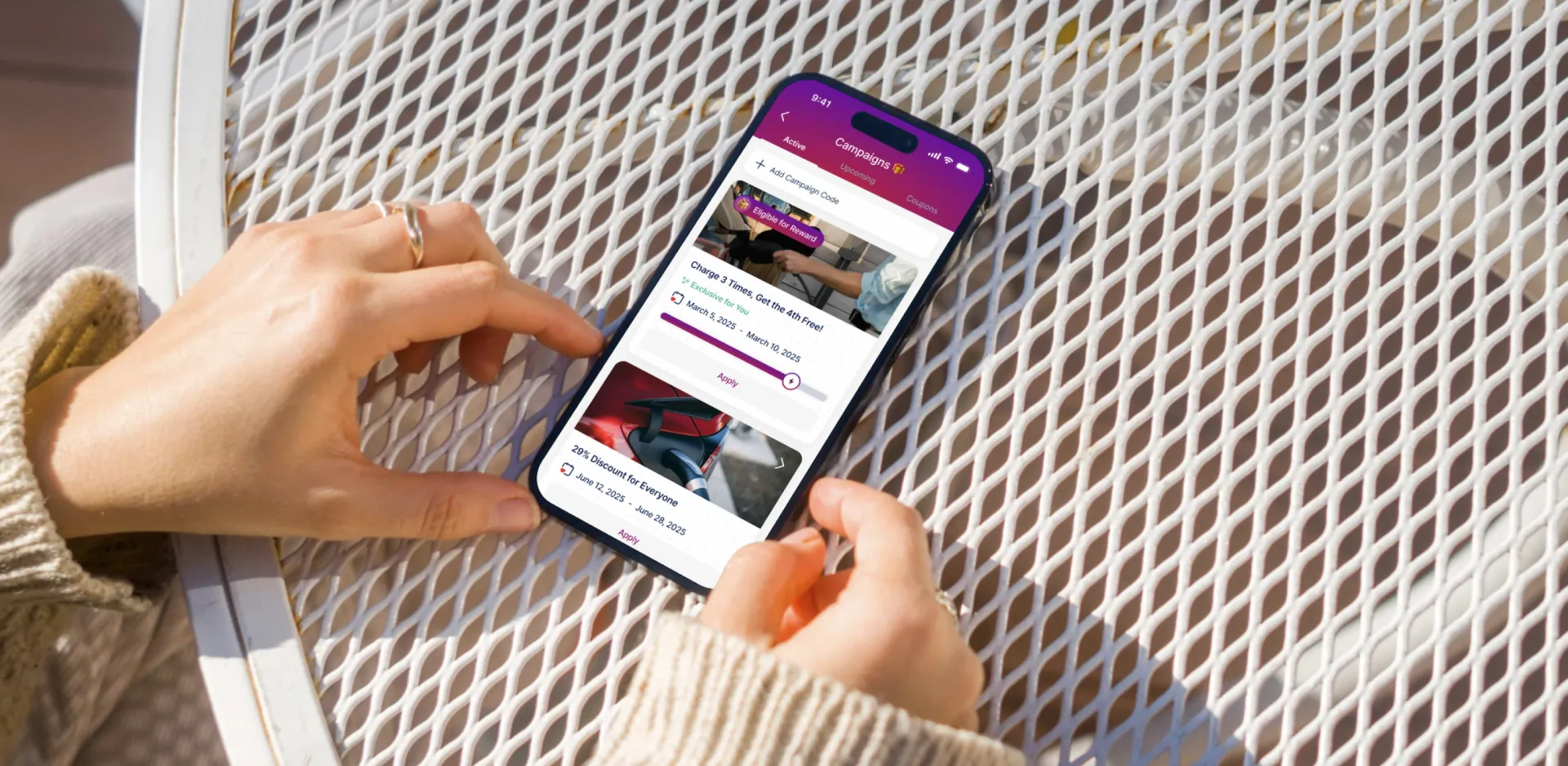 campaigns and loyalty: the retention layer of the Electrip app