
Trust, designed for a market without an MLS
House hunting as a conversation, for markets that never had one.
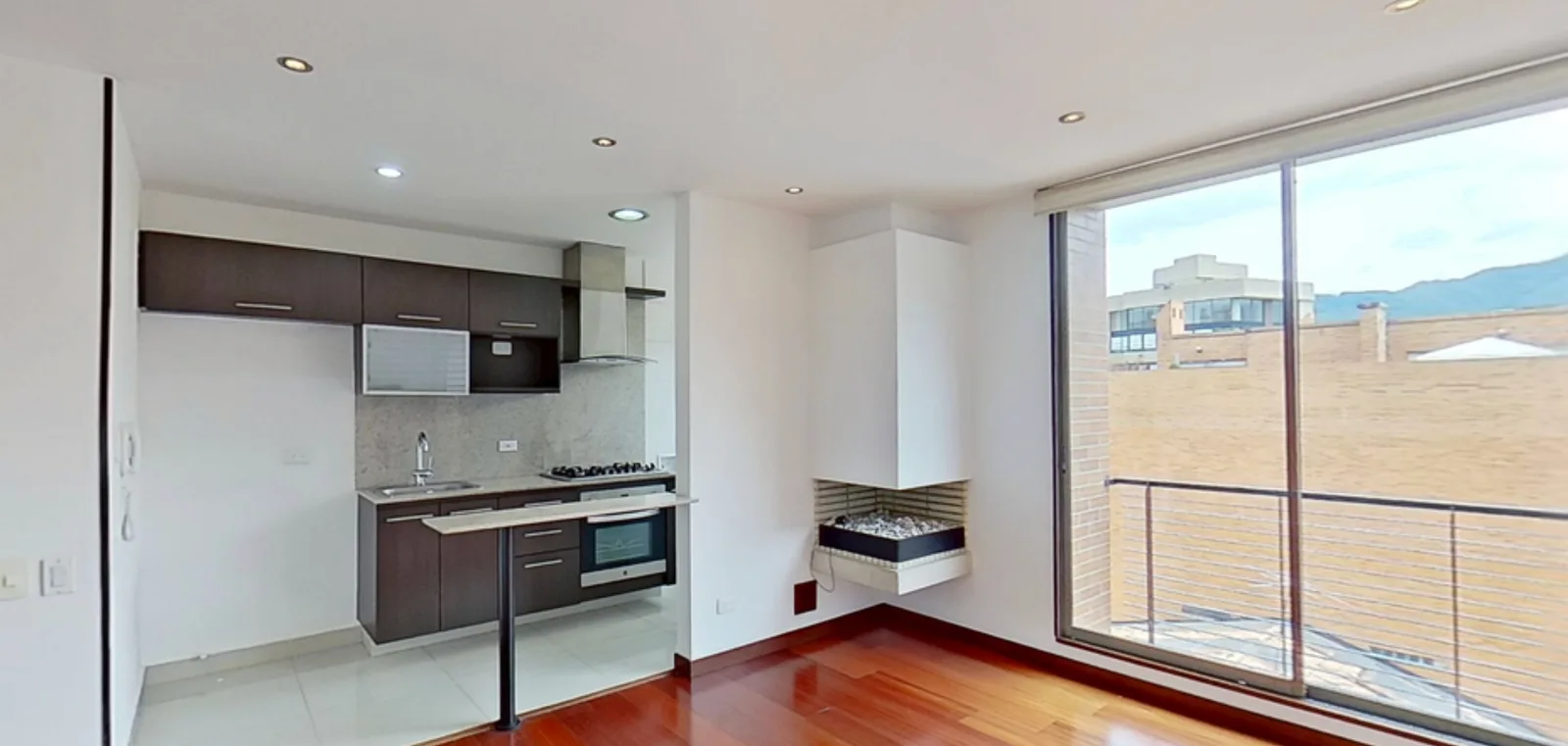
In Europe, finding a home is a filter problem. In Latin America, it is a trust problem.
No central listing database. No price transparency. Every listing is a question mark, every price a negotiation opened blind. Habi holds the region's richest pricing data across Colombia and Mexico. But data sitting in a model is not an experience.
The brief: turn Habi's pricing intelligence into the thing Latin American house hunting never had. A guide you can trust. We built Guía end to end: strategy, design system, web product, AI orchestration, live operation. This is our Product Partnership at work, and the case where our engineering shows.
Here is how pricing data became a guide.
Trust is a design material
We treated trust the way we treat typography or colour: a material you work with rules. Guía earns it three ways. It shows its sources. It shows its confidence. And it admits what it does not know. Those three behaviours were fixed before a single screen was drawn, and every later decision answered to them.
Two more principles completed the constitution. Conversation over filters, because people describe homes in sentences, not dropdowns. And a product built for the journey, not the session, because a hunt here lasts months.
How people actually hunt
We interviewed buyers in Bogotá and Mexico City, sat with Habi's sales teams, and traced real searches from first query to keys in hand. Three patterns set the product's shape.
The product answers them one by one.
Search as a conversation
No filter maze. You write like you talk: Chapinero or Teusaquillo, up to 450 million, quiet street, close to the metro. Behind the conversation sits real orchestration. Listing data, Habi's price model, neighbourhood signals and the user's journey memory are combined into one assistant, with rules deciding what the model may and may not claim. This is AI-Native Engineering: the model feeds the experience, the rules protect it.
The signature craft is the assistant that can say "I don't know." When data is thin, it does not invent. It shows its sources and its confidence, and offers to come back when it knows more. The demo below is the real logic. Try the third question.
The card that replaced the MLS
Every listing carries a price context card: 8% above the area average, prices on this street moved 3% down this quarter, 12 comparable sales in six months. It is the market's missing MLS, rebuilt as an interface element, and it is the soul of the product. We gave it the visual weight of a hero, because for the buyer it is one.
Built for month four, not minute four
House hunting takes months, so Guía is built for the whole journey: a visited-homes journal, a comparison table, a weekly market digest. Deliberately no badges, no games. The context is serious; the mechanics stay calm. Loyalty here means one thing: the user comes back every week until they find home.
The craft follows how Latin America actually browses: mobile first, Android first, light on bandwidth. Conversation on one side, rich listing cards on the other. Warm, human, trustworthy.
Measured, continuously
Guía stays in the loop through Corexi, our continuous UX monitoring. Client numbers stay with the client. What we can share is what we track, and why it matters. Search to visit conversion, because a guide is judged by the doors it opens. Weekly returning seekers, because a four-month product must earn every week. And transparency card engagement, because that card is the trust thesis made measurable.
Bogotá taught it. Mexico City is testing it.
Every week of live operation sharpens the same three things: what the assistant may claim, how memory carries a search across months, and where the data is thin enough that honesty must lead. The product stays on our table, in the loop, market by market.
Guía's promise fits in one sentence: it will never tell you more than it knows. In a market where every listing is a question mark, an assistant that shows its confidence is worth more than one that always has an answer. We engineer what we design. This case is the proof.